There is a quiet job many new parents inherit without noticing.
They become the family photo dispatcher.
A grandparent asks for a picture. An aunt wants the video. A friend wants an update. Someone missed the last thread. Someone else is not on the shared album. The parent, already tired, becomes the person responsible for making everyone feel included.
The desire behind the requests is usually love.
The burden is still real.
Grandparents do not only want pictures
Grandparents ask for photos because photos are the easiest way to feel close.
But what many grandparents really want is relationship. They want to witness the child's life. They want to be remembered as part of it. They want a way to matter, especially if distance keeps them from being in the room.
That is bigger than another image in a text thread.
A better system lets grandparents contribute, not just consume.
The parent should not be the only keeper
When every memory flows through one parent, the archive becomes fragile.
That parent has to take the photo, remember the context, send the update, answer the replies, and later organize everything into something meaningful.
It is too much.
A child's story has many witnesses. Grandparents can remember the family line. Aunts and uncles can remember the parents before the baby arrived. Chosen family can preserve the outside view of how everyone changed.
The archive should make space for those voices.
Change the exchange
Instead of sending photos endlessly, send a photo with a request.
"Here is the picture from Sunday. What do you remember about holding her?"
"This was the first time he laughed at your voice. Would you leave him a note about that day?"
"You told a story about when I was little. Could you record that for him?"
This turns sharing from distribution into preservation.
The grandparent is no longer only receiving updates. They are helping build the child's record.
Why one place matters
Family updates scatter quickly.
Some live in texts. Some in email. Some in albums. Some in screenshots. Some in apps relatives stop using. Some in old phones.
A private archive gives the family one intentional place to keep the memories that should last.
That does not mean every photo belongs there. It means the meaningful pieces have a home:
- A grandparent's voice
- A family story
- A photo with context
- A first birthday message
- A memory of the parents as new parents
- A hope for the child's future
Our Fable was designed for that kind of circle. Parents control the archive and invite trusted people to contribute letters, photos, videos, and voice notes. Gentle questions help relatives know what to say. The child's archive becomes richer without one parent carrying the whole job.
Make updates less frequent and more meaningful
Families do not need every moment to feel close.
They need regular proof of connection.
A weekly or monthly rhythm can be enough:
- One parent update
- One photo with context
- One question for the circle
- One grandparent contribution
That rhythm is lighter for parents and more meaningful for the archive.
The difference is intention. Instead of sending ten photos because everyone is asking, the parent sends one memory worth keeping and invites the family to add something back.
Protect the child's privacy while including family
Keeping grandparents close does not require making a child's life public.
A private family archive can include the right people without turning baby photos into social content. Parents can choose who participates and what belongs in the archive.
That matters because childhood memories are not only updates. They are part of a person's future identity.
They deserve a setting built around trust.
A simple script for grandparents
If you want grandparents to contribute but do not want to make it awkward, ask for something specific:
"We are saving a private archive for her. Could you record a two-minute voice note about the first time you met her? It does not need to be polished. Just what you remember."
Or:
"Would you write one memory about our family that you hope he knows someday?"
Specific requests are easier to answer than broad ones.
They also produce better memories.
The better role
Parents should not have to choose between including family and protecting their energy.
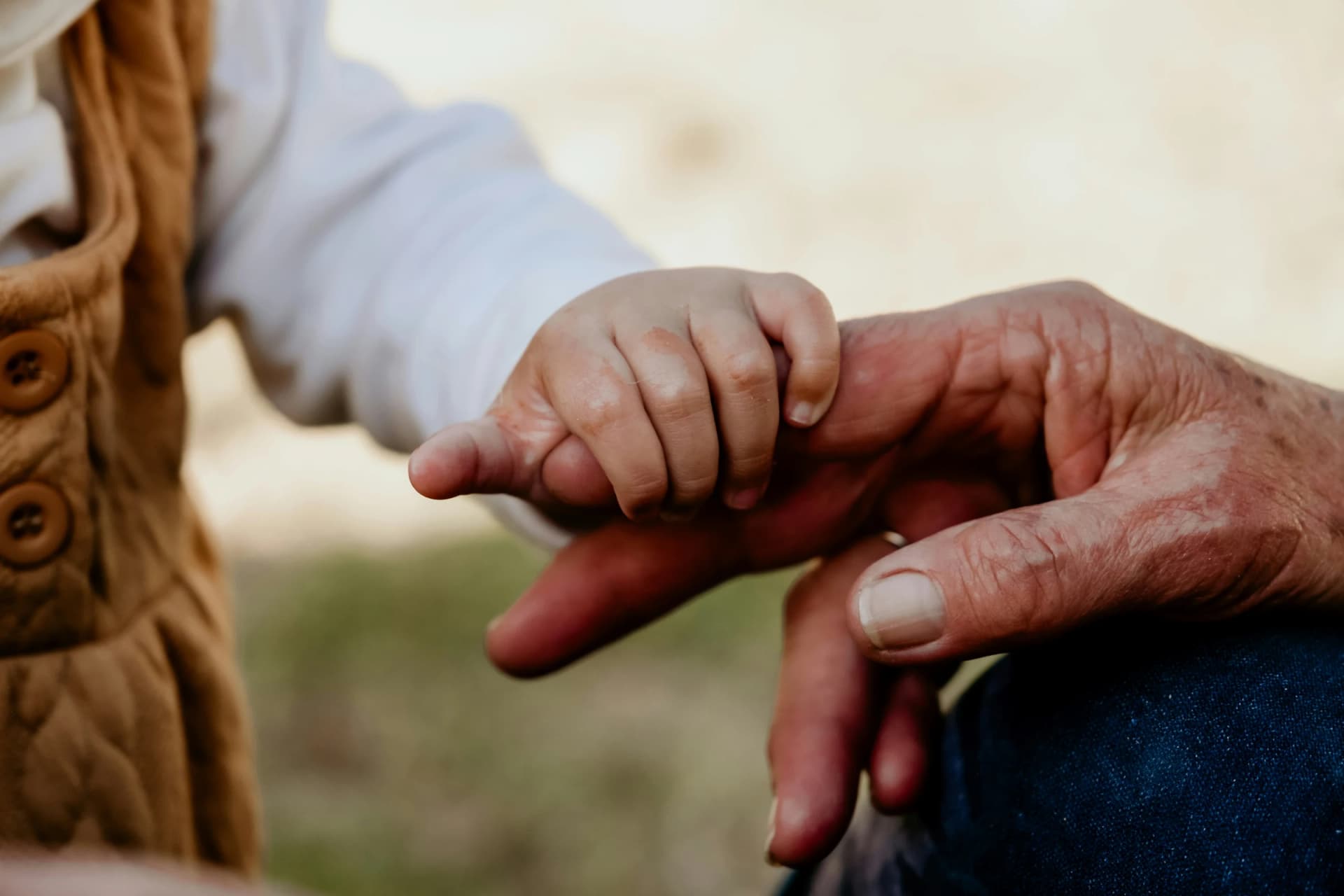
Grandparents can be close without constant photo dispatching. They can become contributors to a child's private story, not just recipients of updates.
That is better for the parent.
It is better for the grandparent.
And someday, it will be better for the child, who will not only see who loved them, but hear what those people wanted to leave behind.
Start writing letters your child will open at the moments that matter most.
Start your archive →Best Grandparent Baby Gifts: Meaningful Ideas for a New Grandchild
The best baby gifts from grandparents preserve love, voice, family stories, and practical support instead of adding more short-lived baby ge…
Read →Private Baby Photo Sharing Without Social Media
How to keep grandparents and close family included without turning a child's photos into public content or another chaotic group thread.
Read →What Is an Archive Guardian?
A clear explanation of Archive Guardians in Our Fable: what they do, what they cannot access, and why continuity matters for a child's futur…
Read →